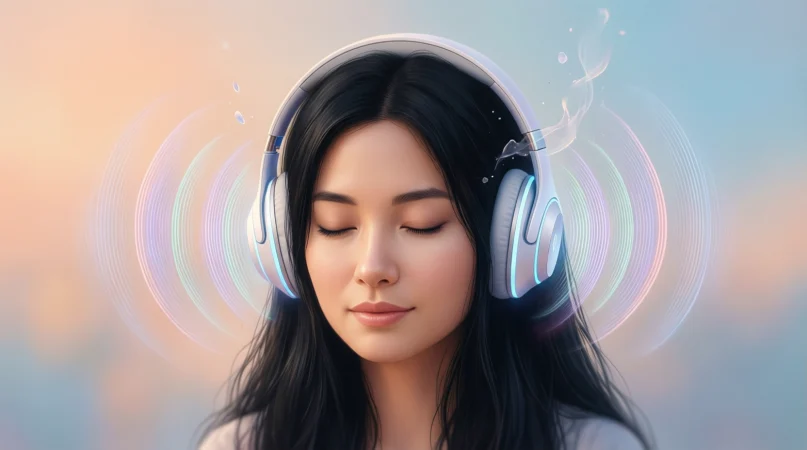
Millions of people search every month asking the same question: what does ASMR stand for and why does it feel so relaxing. If you have ever felt a pleasant tingling sensation on your scalp while listening to whispers, tapping or soft sounds, you have already experienced ASMR.
ASMR is not just a trend on YouTube or TikTok. It is a real sensory response that affects the brain, emotions and even sleep quality. In this complete guide, you will learn the full ASMR meaning, its psychological background, why people love it and how it helps with stress and anxiety.
What Does ASMR Stand For?
ASMR stands for Autonomous Sensory Meridian Response.
Each word has its own meaning.
Autonomous means it happens automatically without effort.
Sensory refers to your senses like hearing and touch.
Meridian means the peak sensation.
Response is your body reacting to the trigger.
So when someone asks what does ASMR stand for, the full answer is Autonomous Sensory Meridian Response which is the relaxing tingling feeling that starts in the head and travels down the neck and spine.
ASMR Meaning in Simple Words
In simple terms, ASMR is the calm feeling your body gets when you hear or see certain gentle activities such as
Soft whispering
Light tapping
Slow hand movements
Hair brushing sounds
Page turning or typing quietly
These sounds create a sensation often described as brain tingles. People feel relaxed, sleepy and emotionally comforted.
How ASMR Works in the Brain
ASMR activates areas in the brain related to
Emotional bonding
Calmness and safety
Pleasure and relaxation
Research suggests that ASMR releases dopamine and oxytocin which are chemicals linked to happiness and trust. This is why people use ASMR videos to reduce stress, anxiety and insomnia.
Common ASMR Triggers
Different people respond to different triggers but the most popular ASMR triggers are
| Trigger | Effect |
|---|---|
| Whispering | Creates calm focus |
| Tapping sounds | Produces rhythmic relaxation |
| Personal attention roleplay | Builds emotional comfort |
| Brushing sounds | Induces scalp tingles |
| Slow hand movements | Reduces anxiety |
| Soft speaking | Helps with sleep |
Why Is ASMR So Popular?
The popularity of ASMR exploded because people are constantly stressed and overloaded with information. ASMR provides a safe escape without medicine or therapy.
Reasons people love ASMR include
Helps with falling asleep
Reduces anxiety naturally
Improves focus while studying
Creates emotional comfort
Boosts mood after long days
This is why the question what does ASMR stand for has become one of the most searched queries in mental wellness topics.
ASMR Benefits for Mental Health
ASMR is not officially a medical treatment but it has powerful mental health benefits.
Stress relief
Reduced heart rate
Improved sleep patterns
Better emotional control
Lower symptoms of mild anxiety
Many people use ASMR videos before bedtime to relax their mind.
ASMR vs Meditation
| ASMR | Meditation |
|---|---|
| Uses sound triggers | Uses breathing and focus |
| Immediate relaxation | Takes practice |
| Sensory based | Mind based |
| Works passively | Requires effort |
Both methods aim to calm the brain but ASMR works faster for many people.
FAQs
What does ASMR stand for?
ASMR stands for Autonomous Sensory Meridian Response.
Is ASMR real or fake?
ASMR is real and experienced by millions worldwide.
Why do ASMR videos make me sleepy?
They stimulate calming brain chemicals that reduce stress.
Is ASMR safe?
Yes it is completely safe and non addictive.
Can everyone feel ASMR?
Not everyone experiences tingles but most people feel relaxed.
Conclusion
Now you fully understand what does ASMR stand for and why it has become one of the most powerful relaxation tools in the digital world. ASMR is more than just sounds. It is a natural emotional response that brings peace, comfort and rest to the mind.
If you ever feel overwhelmed, try listening to soft ASMR sounds and let your brain experience calmness again.
“David Warner – Fast and fearless Australian cricketer known for explosive batting and match-winning performances.”