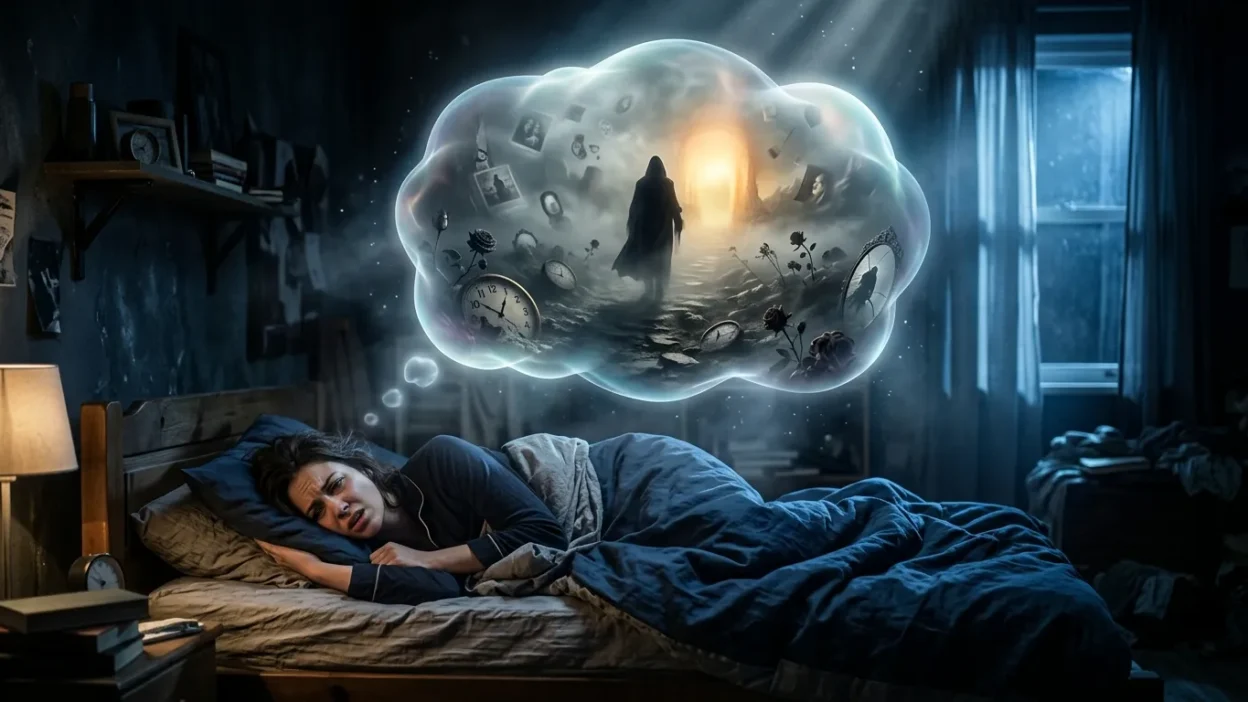
I still remember the night I woke up shaking after dreaming about death. It felt so real that I sat quietly in my bed for hours, wondering if something bad was going to happen. I kept asking myself, “Why did I see this dream? Was it a warning, or was my mind trying to tell me something?” For days, I felt scared and emotionally drained.
But when I started learning about the psychological interpretation of death dreams, I realized the dream was not really about physical death at all. It was connected to stress, emotional change, and the ending of an old phase in my life. I understood that my mind was trying to help me let go of fear, pain, and negative thoughts.
Slowly, I handled the situation by accepting my emotions instead of running from them. That dream taught me that sometimes death dreams symbolize personal transformation, healing, and the beginning of a new chapter in life.
Psychological Interpretation of Death Dreams: What Does It Really Mean?
The psychological interpretation of death dreams usually focuses on symbolic endings rather than literal death. According to psychology, dreams act like mirrors of the subconscious mind. They reveal emotions, fears, memories, and inner conflicts that we may ignore during waking life.
Dreaming about death can symbolize:
- The end of a chapter in life
- Emotional transformation
- Letting go of old habits
- Fear of change
- Anxiety about losing control
- Healing after emotional pain
- Personal rebirth and renewal
In many cases, death dreams appear during periods of transition. You may experience them when:
- Starting a new job
- Ending a relationship
- Moving to a new place
- Healing from trauma
- Entering adulthood or parenthood
- Experiencing spiritual growth
Your subconscious mind uses the image of death because death represents the ultimate ending. Spiritually, however, every ending creates space for a new beginning.
The Spiritual Meaning Behind Death Dreams
Spiritually, death dreams are often seen as symbols of rebirth and awakening. In many traditions, death does not represent destruction but transformation of the soul.
When you dream about death, your spirit may be telling you:
- You are outgrowing an old version of yourself
- Your energy is shifting
- You need emotional cleansing
- A toxic attachment is ending
- A spiritual awakening is beginning
Some spiritual teachers believe death dreams occur when the soul is preparing for higher awareness. You may be releasing fear, ego, or emotional baggage that no longer serves your life path.
These dreams can feel intense because transformation itself is emotional. The subconscious mind often uses dramatic imagery to capture your attention.
Dreaming About Your Own Death
One of the most shocking experiences is dreaming about your own death. But spiritually and psychologically, this dream rarely predicts physical harm.
Instead, it often symbolizes:
- Inner transformation
- Personal evolution
- Identity changes
- Emotional maturity
- Spiritual rebirth
For example, someone leaving behind a toxic lifestyle may dream of dying and then waking up peacefully in the dream. This symbolizes the “death” of the old self.
The psychological interpretation of death dreams suggests that your mind may be helping you process major internal changes. It can also indicate a desire to escape stress, pressure, or emotional exhaustion.
Questions to ask yourself:
- What part of my life is changing?
- What old version of myself am I releasing?
- What fears am I holding onto?
Dreaming About the Death of a Loved One
Dreaming that a family member, friend, or partner dies can feel heartbreaking. These dreams often leave people anxious throughout the day.
However, spiritually, these dreams usually symbolize:
- Fear of losing connection
- Emotional dependence
- Relationship changes
- Personal growth within the relationship
Psychologically, such dreams may reflect your emotional attachment to that person. If the relationship is changing, your subconscious may symbolize this shift through death imagery.
For example:
- A child becoming independent
- A friendship growing distant
- A romantic relationship evolving
- Emotional separation after conflict
In some spiritual traditions, dreaming of a loved one’s death can actually symbolize long life, healing, or positive transformation for that person.
Psychological Interpretation of Death Dreams and Fear of Change
Many death dreams are connected to fear of uncertainty. Humans naturally resist change because the unknown can feel threatening.
Your subconscious may create death symbolism when:
- You fear failure
- You feel emotionally unsafe
- You are avoiding an important decision
- You struggle with control
Carl Jung, the famous psychologist, believed death dreams often represent transformation within the psyche. He viewed them as signs of inner growth and psychological renewal.
The subconscious mind sometimes “kills” outdated emotional patterns so healthier beliefs can emerge.
Cultural Interpretations of Death Dreams
Different cultures interpret death dreams in unique ways. Across the world, death in dreams is often viewed more positively than people expect.
Ancient Egyptian Beliefs
Ancient Egyptians saw death as a transition into another spiritual state. Dreams about death were often connected to spiritual messages and soul evolution.
Islamic Dream Interpretation
In Islamic traditions, death dreams can symbolize repentance, transformation, or major life changes. They are not always considered negative signs.
Hindu Spiritual Perspective
Hindu teachings often interpret death dreams as symbols of karma, rebirth, and spiritual growth. Death represents cycles of ending and renewal.
Chinese Dream Traditions
In some Chinese beliefs, dreaming about death can symbolize prosperity, longevity, or the closing of negative energy cycles.
Native Spiritual Beliefs
Many Indigenous traditions view death dreams as communication from the spirit world or signs of personal transformation.
Despite cultural differences, a common theme appears repeatedly: death dreams symbolize change more than literal endings.
Chakra Connections and Emotional Blockages
The psychological interpretation of death dreams can also connect to blocked energy centers within the body.
Root Chakra (Fear and Survival)
The Root Chakra relates to safety, stability, and survival. Death dreams may appear when this chakra feels blocked by:
- Financial stress
- Fear of loss
- Anxiety
- Insecurity
Signs of imbalance:
- Panic dreams
- Fear of abandonment
- Constant worry
Healing practices:
- Grounding exercises
- Walking in nature
- Meditation
- Deep breathing
Heart Chakra (Grief and Emotional Pain)
Dreams involving losing loved ones may connect to the Heart Chakra.
Blocked emotions may include:
- Unhealed grief
- Emotional heartbreak
- Fear of rejection
- Loneliness
Healing methods:
- Forgiveness work
- Emotional journaling
- Self-love practices
- Compassion meditation
Crown Chakra (Spiritual Awakening)
Some death dreams occur during spiritual awakening phases. These dreams may feel mystical, peaceful, or symbolic.
You may experience:
- Bright light in dreams
- Feeling detached from old identity
- Emotional awakening
- Desire for deeper purpose
This can indicate expansion of consciousness and spiritual growth.
Common Types of Death Dreams and Their Meanings
Dreaming of a Funeral
Funeral dreams often symbolize closure and emotional release. You may be subconsciously accepting the end of a situation.
Dreaming of Dying Peacefully
This can symbolize emotional acceptance and spiritual transformation.
Violent Death Dreams
These may reflect intense stress, unresolved trauma, or emotional overwhelm.
Repeated Death Dreams
Recurring dreams often signal unresolved emotions or life lessons your subconscious wants you to face.
Watching Someone Die
This may symbolize changing dynamics in your relationship with that person or your fear of losing them emotionally.
Real-Life Examples of Death Dream Experiences
Example 1: Career Transformation
A woman repeatedly dreamed about attending her own funeral before leaving a stressful corporate job. After starting a creative business, the dreams stopped. Spiritually, the dreams symbolized the end of her old identity.
Example 2: Emotional Healing After Breakup
A man dreamed his former partner died shortly after a breakup. Psychologically, the dream reflected emotional separation and the painful process of letting go.
Example 3: Spiritual Awakening
A college student dreamed of walking through a dark tunnel and “dying” before entering bright light. Months later, they described feeling spiritually awakened and emotionally transformed.
These examples show how the psychological interpretation of death dreams often relates to emotional growth rather than physical danger.
How to Reflect on Your Death Dreams
Instead of fearing these dreams, try using them as tools for self-understanding.
Keep a Dream Journal
Write down:
- Emotions in the dream
- Symbols
- People involved
- Colors or locations
- How you felt after waking
Patterns may emerge over time.
Ask Yourself Reflective Questions
- What is ending in my life?
- What am I afraid of losing?
- What emotional burden do I need to release?
- Am I resisting change?
Practice Meditation
Quiet reflection can help uncover the emotional meaning behind powerful dreams.
Focus on Emotional Healing
Death dreams often appear when emotional healing is needed. Rest, reflection, therapy, or spiritual practices may help restore inner balance.
Psychological Interpretation of Death Dreams and Personal Growth
Sometimes the most frightening dreams carry the deepest wisdom.
The psychological interpretation of death dreams teaches us that symbolic death is often necessary for emotional rebirth. Just as nature moves through cycles of endings and renewal, humans also experience emotional transformations throughout life.
A death dream may signal:
- Growth
- Emotional maturity
- Spiritual awakening
- Release of fear
- Preparation for a new chapter
Rather than viewing these dreams as curses, many spiritual traditions encourage seeing them as invitations to evolve.
FAQs
1. Are death dreams a bad omen?
Usually no. Most death dreams symbolize transformation, emotional healing, or life changes rather than literal death.
2. Why do I keep dreaming about death?
Recurring death dreams may reflect unresolved emotions, anxiety, stress, or ongoing personal transformation.
3. Is dreaming about my own death normal?
Yes. Psychologically, it often symbolizes personal growth, identity shifts, or emotional rebirth.
4. Can death dreams be spiritual messages?
Many spiritual traditions believe death dreams can reflect awakening, soul growth, or energetic transformation.
5. What should I do after a disturbing death dream?
Reflect calmly instead of panicking. Journaling, meditation, and emotional self-care can help you understand the dream’s deeper meaning.
Conclusion
Dreams about death can feel intense, emotional, and unforgettable. Yet the psychological interpretation of death dreams shows that these dreams are usually symbolic rather than literal. They often represent endings, emotional healing, transformation, and spiritual renewal.
Your subconscious mind may be encouraging you to release fear, let go of emotional burdens, and embrace a new stage of life. Spiritually, death dreams can symbolize awakening and personal evolution.
Instead of fearing these dreams, try listening to the message beneath the symbolism. Sometimes the end of one emotional chapter is the beginning of a more peaceful and authentic version of yourself.
The next time you wake from a death dream, ask yourself gently: “What part of my life is ready to transform?”

“Explore the life and works of William Austen, his impact, and legacy in literature.”