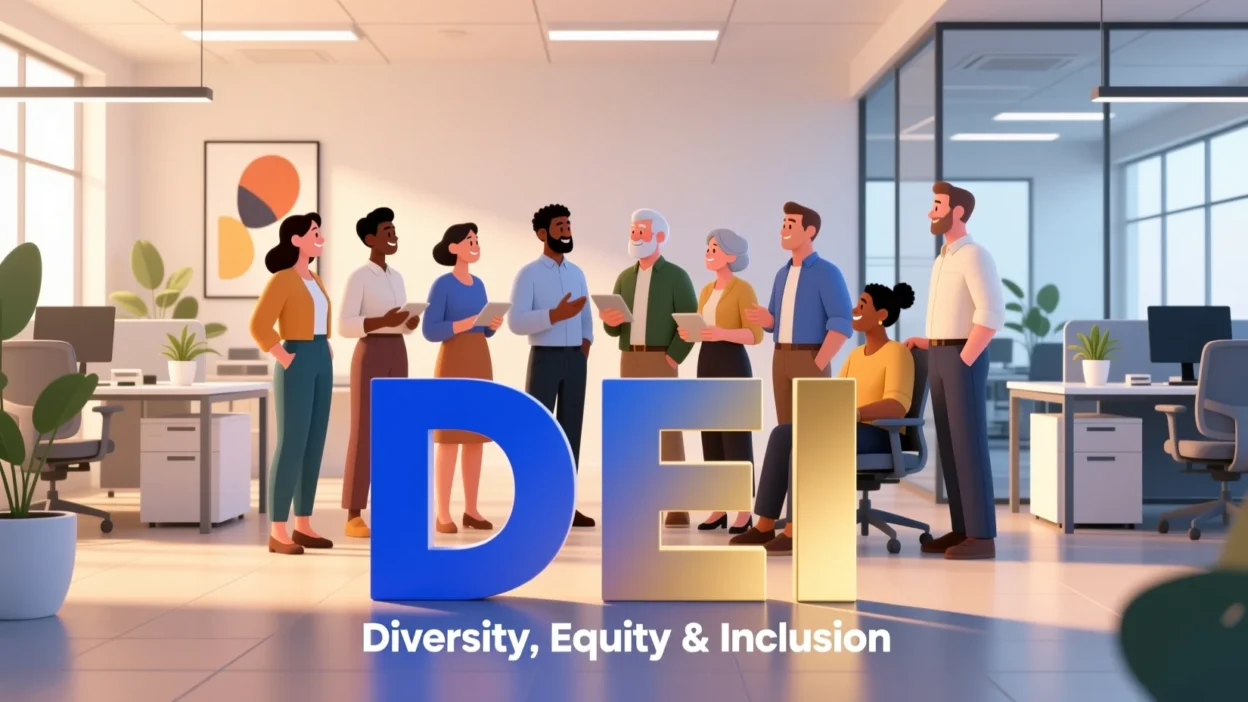
In modern English usage especially in workplaces, schools, and organizational culture the acronym DEI has become one of the most talked about terms. But many people still ask: what does DEI stand for? and why does it matter?
At its core, DEI stands for Diversity, Equity, and Inclusion three interconnected principles that guide how organizations and communities should treat people fairly and create environments where everyone can thrive. Whether you’re hearing it in job postings, policy discussions, or corporate training sessions, understanding DEI is essential for clear communication in 2026 and beyond.
In this comprehensive guide, we’ll explain the meaning of DEI, its components, why it’s important, real-world applications, controversies, related terms, and frequently asked questions. By the end you’ll understand what DEI is, how it works, and why it’s so influential in English-speaking contexts today.
What Does DEI Stand For? Basic Definition
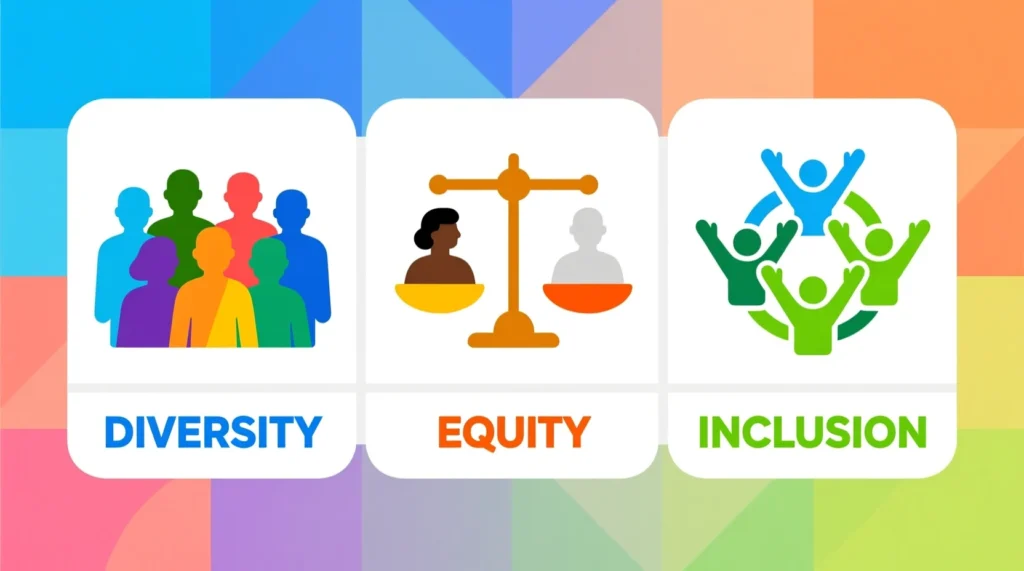
DEI is an acronym for:
- Diversity
- Equity
- Inclusion
Together, these principles describe organizational and societal efforts to promote fairness, representation, and belonging for people from all backgrounds especially those historically underrepresented or marginalized.
Diversity refers to differences: race, gender, ethnicity, age, disability, sexual orientation, cultural background, socio-economic status, and more.
Equity focuses on fairness and justice ensuring people have the support and opportunities they need to succeed.
Inclusion means creating an environment where all individuals feel valued, respected, and able to participate fully.
DEI is most commonly discussed in workplaces, educational institutions, and community programs where people from diverse backgrounds interact and contribute.
Diversity — More Than Just Differences
Diversity means the presence of people with a wide range of identities and life experiences working or learning together. This can include differences in:
- Race and ethnicity
- Gender, gender identity & expression
- Age
- Socio-economic status
- Religion
- Disability & neurodiversity
- Cultural and family background
- Sexual orientation
Simply put, diversity is about who is in the room. It recognizes that a variety of perspectives and experiences enriches environments.
Example: A team with employees from multiple cultural backgrounds, age groups, and abilities is considered diverse.
Equity — Fair Treatment & Justice
Equity goes beyond equality. Equality means giving everyone the same resources. Equity means giving people what they need to have fair outcomes. For example:
- Providing additional support for students who lacked access to education resources
- Ensuring job applicants from disadvantaged communities have access to training
Equity acknowledges that people start from different positions and may require different support to achieve similar success.
Example: Two employees with similar skills but different access to mentorship may receive tailored support so they have equal opportunities for advancement.
Inclusion — Belonging & Participation
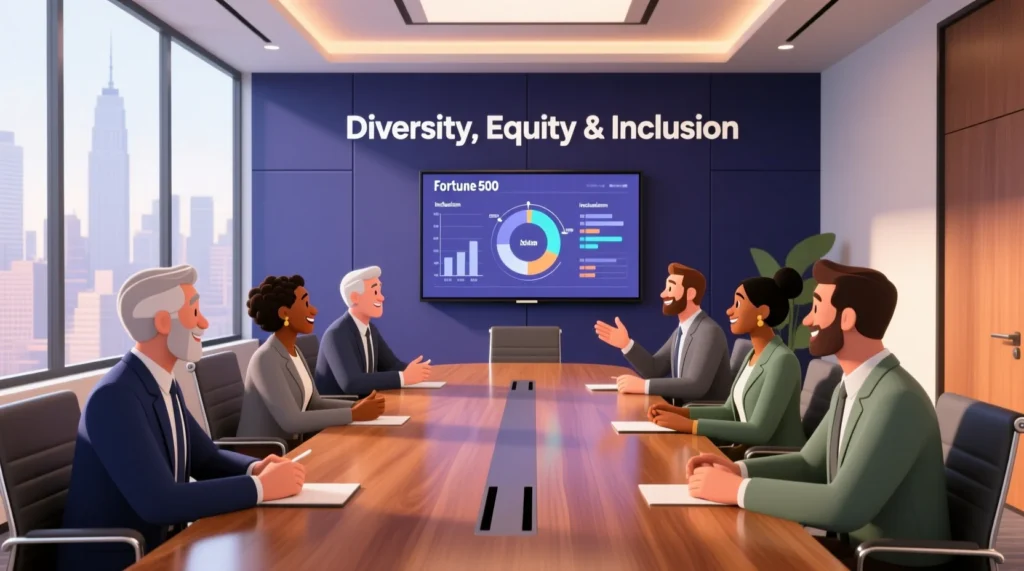
Inclusion refers to creating environments where everyone feels valued, safe, and able to contribute — not just tolerated.
It means:
- Active listening
- Representation in leadership
- Decision-making power
- Encouraging diverse viewpoints
An inclusive environment makes people feel welcome not just present.
Why DEI Matters in English-Speaking Contexts
Workplaces
Many companies adopt DEI frameworks to:
- Improve talent recruitment and retention
- Boost innovation through diverse perspectives
- Promote fairness and reduce discrimination
- Reflect broader societal values
Research shows businesses with strong DEI practices often perform better financially and creatively.
Educational Settings
Schools and universities use DEI to:
- Ensure equitable access to learning
- Support diverse student bodies
- Create inclusive curricula
Social & Legal Importance
DEI principles align with human rights movements and anti-discrimination laws that promote fairness and equal opportunity.
Common Misunderstandings About DEI
Even though DEI means Diversity, Equity & Inclusion, some people think it means:
- Forcing quotas
- Giving unfair advantage to certain groups
- Discriminating against others
Reality: DEI aims for equitable opportunity, not replacing merit with quotas. It focuses on reducing bias and creating fair conditions — not lowering standards.
Related Acronyms & Terms
Organizations sometimes expand or vary the DEI acronym:
- DEIB: Diversity, Equity, Inclusion, Belonging
- DEIA/DEAI: Includes Accessibility
- JEDI: Justice, Equity, Diversity, Inclusion
- I&D: Inclusion & Diversity
- EDI: Equity, Diversity, Inclusion (UK usage)
Each variation emphasizes slightly different values but centers on fairness and inclusion.
How DEI Works in Practice (With Examples)
Hiring & Recruitment
- Blind resume screening
- Diverse interview panels
- Outreach to underrepresented communities
Training & Development
- Unconscious bias training
- Inclusive leadership programs
- Employee resource groups
Policies & Culture
- Flexible work arrangements
- Accessibility accommodations
- Inclusive language practices
Companies and schools with thoughtful DEI initiatives invest in systems that reinforce principles rather than token gestures.
DEI Criticisms & Controversies
The concept of DEI is widely used but not without controversy.
Some criticisms include:
- DEI programs being perceived as political or ideological
- Misunderstandings about affirmative action
- Backlash from those who believe DEI favors some groups
- Debates over what “equity” really means in practice
Despite this, many advocates argue well-structured DEI drives fairness and performance.
Benefits of DEI
✅ Improved Innovation
Companies with diverse teams generate broader ideas and solutions.
✅ Higher Employee Engagement
Inclusive environments increase satisfaction and reduce turnover.
✅ Fairer Opportunities
Equity initiatives help remove systemic barriers for advancement.
✅ Stronger Reputation
Organizations known for DEI attract talent and strengthen community trust.
FAQs
Q1: What does DEI stand for in English?
A: DEI stands for Diversity, Equity, and Inclusion principles that support fairness, representation, and belonging for all people.
Q2: Is DEI the same as EDI?
A: Very similar EDI (Equity, Diversity & Inclusion) is another order of the same concepts, often used in UK contexts.
Q3: Why is DEI important in workplaces?
A: It helps companies recruit diverse talent, foster innovation, and build cultures where people feel valued.
Q4: Does DEI mean quotas?
A: No DEI focuses on equitable opportunities and removing bias, not enforcing arbitrary quotas.
Q5: What is DEI training?
A: Training designed to reduce bias, enhance understanding of diversity, and improve inclusive behaviors.
Q6: What’s the history of DEI?
A: DEI grew from civil rights movements and anti-discrimination policies that seek fair treatment for all groups.
Conclusion
Now you know what DEI stands for and why this concept has become essential in English usage especially in workplaces, education, and organizational culture. Diversity, Equity & Inclusion together promote environments where fairness, respect, and belonging are more than ideals they are practiced policies.
Whether you encounter DEI in a job ad, a corporate policy, or a community initiative, this guide equips you with accurate understanding and meaningful context.

“David Warner – Fast and fearless Australian cricketer known for explosive batting and match-winning performances.”